

Quick answer
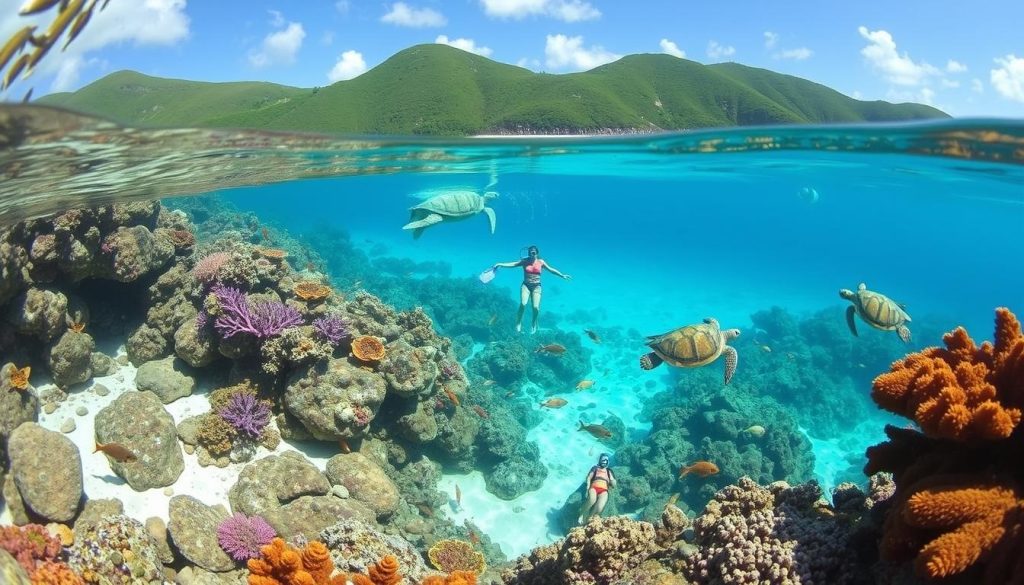
Yes, Puerto Rico offers excellent snorkeling conditions year-round. The island's fringing reefs shelter over 200 fish species, hawksbill and green sea turtles, and healthy elkhorn coral formations. Visibility peaks between March and October when calm trade winds settle the water, though winter swells can stir up sediment near exposed coastlines. The outlying islands—Culebra and Vieques—consistently deliver the clearest conditions.
Puerto Rico sits on the edge of the Puerto Rico Trench, where deep oceanic currents meet shallow continental shelf waters and create nutrient-rich zones that support dense marine ecosystems. The result is underwater topography that ranges from calm turtle grass meadows to dramatic wall drop-offs, all within a short boat ride or wade from shore. The island's geography determines snorkeling quality. The north coast faces open Atlantic swells that reduce visibility during winter months, while the south and west coasts remain sheltered year-round. Culebra and Vieques, positioned east of the main island, benefit from oceanic currents that flush reefs daily and maintain water clarity even after storms. Flamenco Beach in Culebra holds a federal entrance fee of 2 USD per person, payable in cash, and opens daily from 07:00 to 17:30—morning arrivals between 07:00 and 11:00 encounter calmer water and fewer snorkelers. Healthy elkhorn and staghorn coral colonies anchor most reef systems, providing shelter for queen angelfish, stoplight parrotfish, and schools of blue tang. Deeper sites along Vieques' southern shore host spotted eagle rays and occasional nurse sharks resting in sand channels. Sea turtle sightings occur on nearly every snorkeling excursion, with juveniles grazing on seagrass beds and adults cruising reef edges. Water temperature stays between 78°F and 84°F throughout the year, eliminating the need for thick wetsuits. A shorty or rash guard suffices for sun protection during extended sessions. Calm morning conditions allow beginners to practice in waist-deep water before venturing to reef crests, while experienced snorkelers can freedive to 20-foot depths where larger pelagic species patrol. The combination of accessible entry points, diverse marine life, and consistent visibility makes Puerto Rico's snorkeling reliable rather than situational.
“The island's fringing reefs shelter over 200 fish species, hawksbill and green sea turtles, and healthy elkhorn coral formations.”
Is There Good Snorkeling in Puerto Rico at Certain Times of Year
December through April is the most reliable stretch for snorkeling in Puerto Rico, since the Caribbean dry season brings less rainfall and calmer seas, and arriving at Flamenco Beach between 07:00 and 11:00 pairs that seasonal advantage with the clearest water of the day.
December to April
Lighter overall, busiest around holidaysDry season, mid-70s to mid-80s F, low rain
This is the calmest window for water clarity island-wide, though the week around Christmas and New Year draws more visitors to Culebra.
May to November
Varies, fewer holiday crowdsWet season, warmer and humid, afternoon storms common
Rain tends to arrive in short afternoon bursts, so visibility and comfort are still workable if you plan around mornings.
Weekday mornings (7:00-11:00)
Thinnest crowds of the week—
This window lines up with the site's recommended 07:00-11:00 arrival at Flamenco Beach, when boat traffic and foot traffic are both at their lowest.
Weekend afternoons
Heaviest crowds, especially midday—
Later arrivals and weekend timing bring more swimmers and boats, which stirs up sediment and reduces underwater visibility.
Verdict: The best combination is a weekday morning between December and April, arriving at Flamenco Beach by 07:00 to 11:00 for calm seas, dry-season clarity, and minimal crowds.
Is There Good Snorkeling in Puerto Rico — Best Spots Worth Knowing
Flamenco Beach on Culebra is the anchor point for snorkeling in this part of Puerto Rico, and its underwater geography breaks into a few distinct zones worth knowing before you go. The clearest water and most fish activity cluster around the beach's edges rather than its open center.
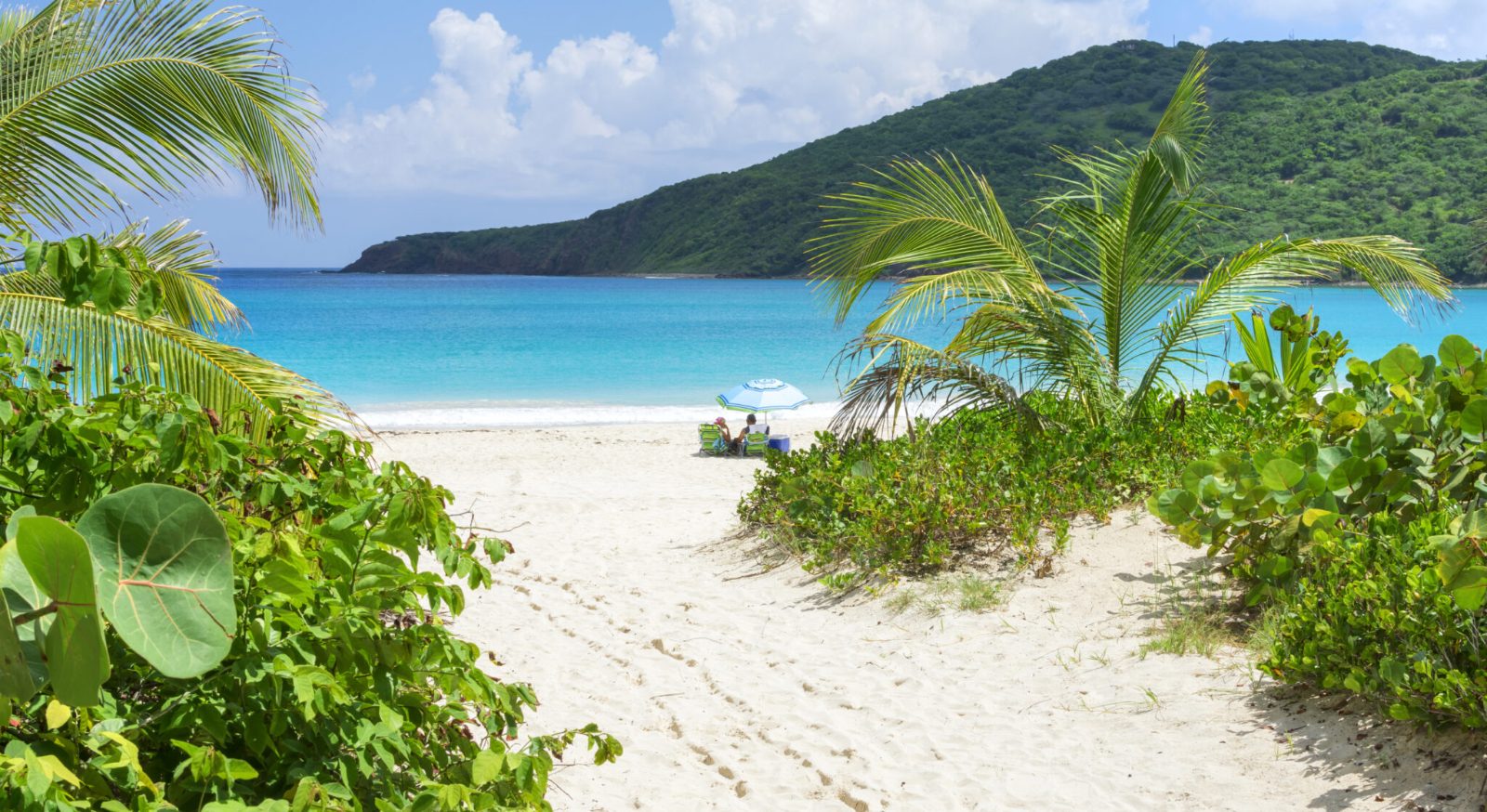
Flamenco Beach main shoreline
The central stretch of sand slopes gently into shallow water, useful for spotting sergeant majors and small parrotfish close to shore before swimming further out.
Wade in slowly at the shoreline to watch fish feeding.
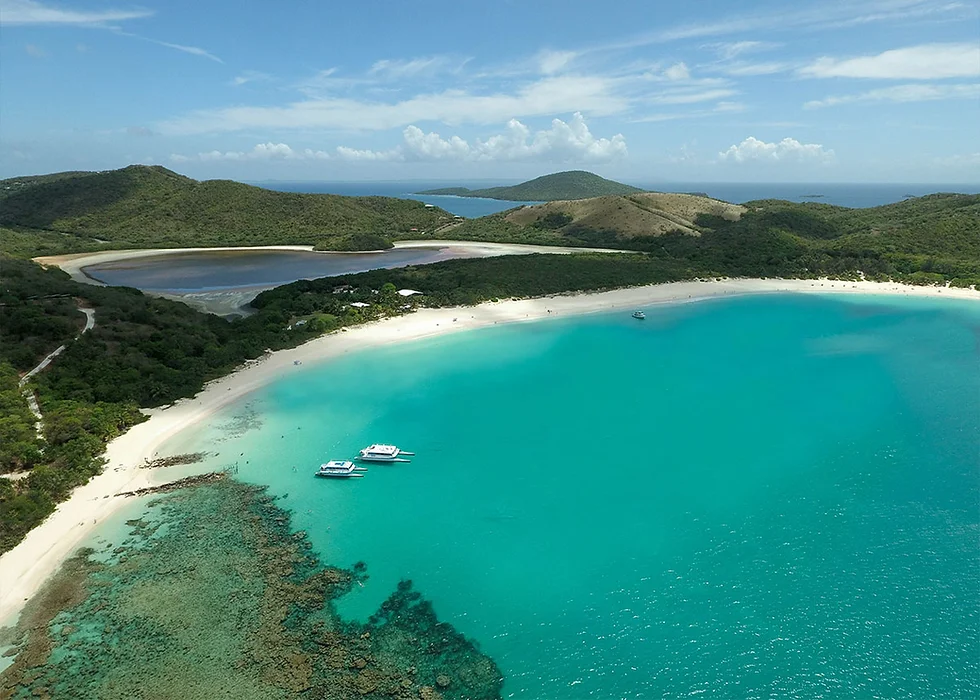
Eastern rocky point (Flamenco)
The rock formations at the beach's eastern end create a natural reef edge where sea fans and juvenile fish gather along the boulders.
Snorkel along the rocks, not over open sand.
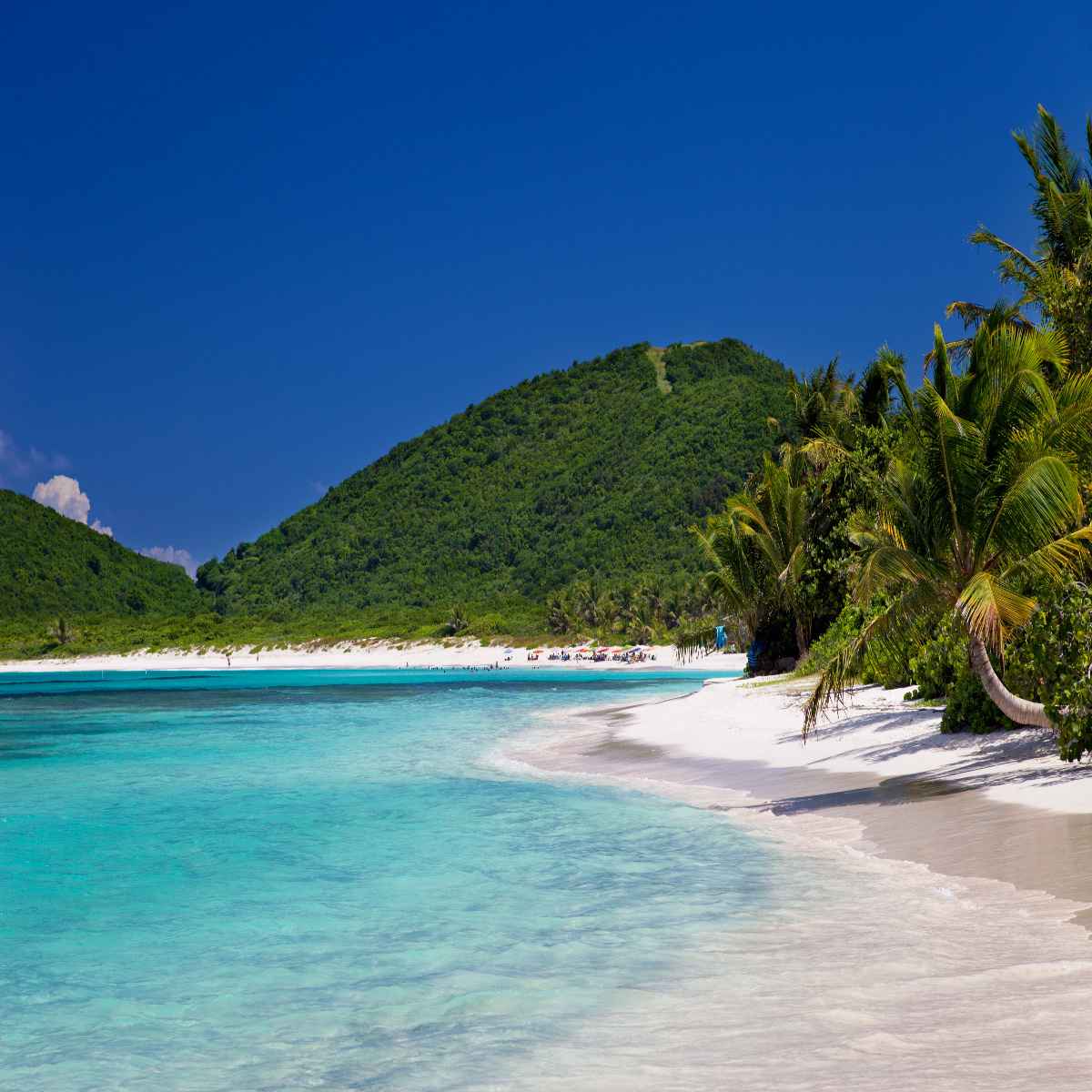
Western headland (Flamenco)
The opposite end of the beach has a similar rocky border, generally with fewer swimmers, where visibility tends to hold up longer into the day.
Head west first if the main area looks crowded underwater.
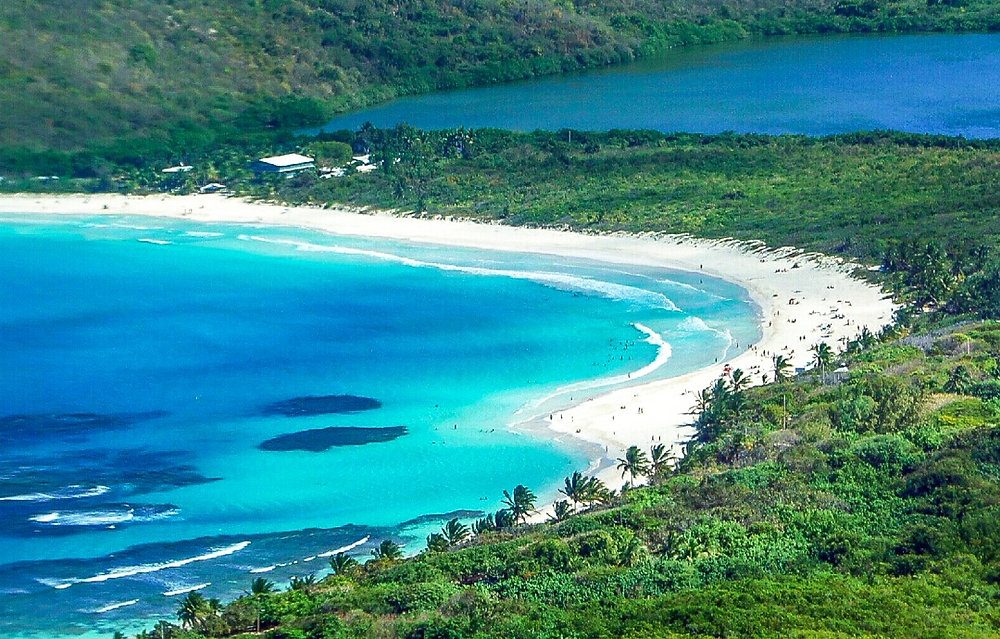
Nearshore seagrass beds
Patches of seagrass just past the swimming area support small rays and juvenile fish that don't appear over open sand.
Look down over grass patches, not just rock.
How to Get to Flamenco Beach for Snorkeling in Puerto Rico
Culebra sits about 17 miles east of the Puerto Rican mainland, and Flamenco Beach is on the island's north side, roughly a 10 to 15 minute ride from the ferry dock or airport in the town of Dewey. Most visitors reach the island via the Fajardo ferry or a short island-hopper flight, then cover the last stretch by taxi, golf cart, or rental car.
Drive to Fajardo ferry terminal, then Puerto Rico Maritime Transport Authority passenger ferry to Culebra (Dewey)
Fajardo ferry terminal to Culebra (Dewey) dock, foot passenger only
Small carrier flight from San Juan (Isla Grande) or Ceiba/Fajardo airport to Culebra's Benjamin Rivera Noriega Airport
Público (shared taxi) from Dewey ferry dock or airport to Flamenco Beach
Rental car or golf cart from Dewey to Flamenco Beach, Road 251
Is There Good Snorkeling in Puerto Rico — Flamenco Beach Opening Hours
Flamenco Beach is open daily on the same schedule, with no separate weekday or weekend hours.
| Monday | 07:00 – 17:30 | |
|---|---|---|
| Tuesday | 07:00 – 17:30 | |
| Wednesday | 07:00 – 17:30 | |
| Thursday | 07:00 – 17:30 | |
| Friday | 07:00 – 17:30 | |
| Saturday | 07:00 – 17:30 | |
| Sunday | 07:00 – 17:30 |
Is There Good Snorkeling in Puerto Rico — Rules Snorkelers Should Follow
Puerto Rico's coral reefs and marine reserves require careful conduct to protect fragile ecosystems. Following reef-safe practices ensures these snorkeling sites remain vibrant for future visitors.
Do
- Use reef-safe sunscreen free of oxybenzone and octinoxate
- Maintain a safe distance from coral and marine life
- Stay aware of no-fishing zones in protected marine areas
- Secure all gear to prevent items from drifting onto reefs
- Practice buoyancy control to avoid accidental contact with the bottom
Don't
- Touch, stand on, or break coral formations
- Feed fish or disturb marine animals
- Wear sunscreen containing harmful chemicals near reefs
- Chase or corner sea turtles and other wildlife
- Collect shells, sand, or marine specimens from protected areas
Is There Good Snorkeling in Puerto Rico — Checklist Before You Go
Plan ahead to make the most of your Flamenco Beach snorkeling trip.
-
Bring 2 USD cash per person — The entrance fee is payable in cash only at Flamenco Beach.
-
Book your ferry to Culebra in advance — Seats sell out quickly, especially on weekends and holidays.
-
Decide on snorkel gear: bring or rent — Rental shops operate near the beach if you don't have your own equipment.
-
Arrive between 07:00 and 11:00 — Morning hours offer calmer water, better visibility, and fewer crowds.
-
Pack reef-safe sunscreen and drinking water — The beach has limited shade and staying hydrated matters in the sun.
-
Check the weather and sea conditions — Visibility and safety depend on wind and wave forecasts for the day.
Is There Good Snorkeling in Puerto Rico Beyond Flamenco Beach
Culebra offers several aquatic environments reachable by short boat trips that complement a day of snorkeling. These nearby locations provide varied marine topographies and different access levels for those exploring the island.
Tamarindo Beach
This beach is part of a marine reserve known for frequent sea turtle sightings and calm waters. It serves as an alternative for visitors seeking a quieter environment compared to larger beaches.
Culebrita
This small, uninhabited cay is accessible only by water and features the shallow coral formations of Playa Tortuga. It is a logical next stop for snorkelers who have already experienced the main island's coastal sites.
Luis Pena Cay
Located off the western coast, this protected nature reserve offers clear water and rocky reefs. It is often included in boat-based snorkeling itineraries for its secluded and preserved marine life.
Check availability
Is There Good Snorkeling in Puerto Rico? FAQ
Everything you need to know about is there good snorkeling in puerto rico