

Quick answer
Public beaches across Puerto Rico charge no entrance fee—you walk onto the sand at Playa Crash Boat, Steps Beach, or La Parguera at no cost. Snorkeling gear rental from beachside vendors typically runs $15 to $25 per day for mask, snorkel, and fins. Guided half-day tours start around $45 per person, while full-day excursions with boat transport to offshore reefs reach $90 to $120.
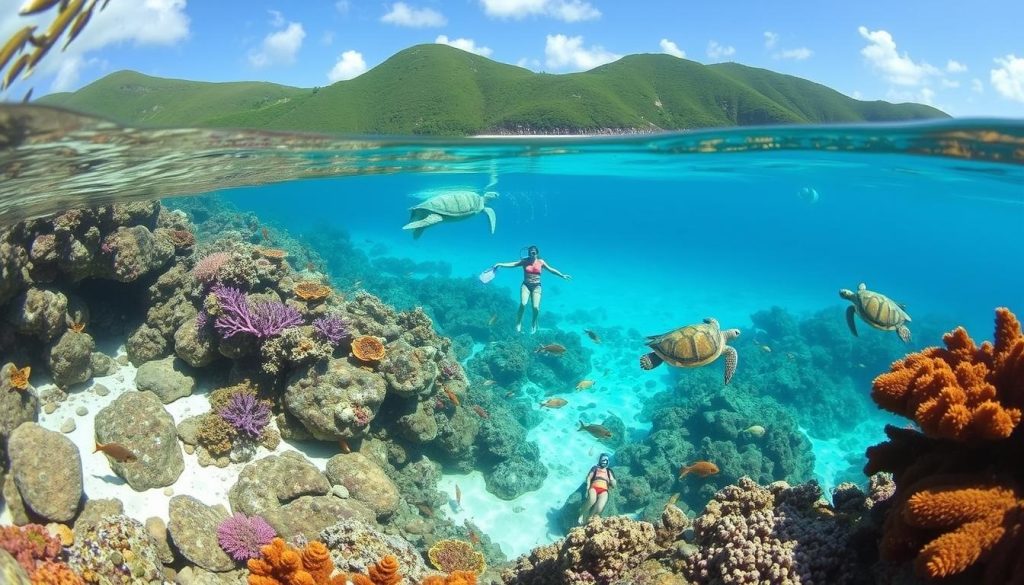
Coral reefs ring Puerto Rico's coastline within swimming distance of public sand, making snorkeling one of the island's most accessible water activities. The cost structure splits cleanly: beach access itself is free at every public strand, but the equipment and expertise that unlock the underwater world carry price tags shaped by location, season, and whether you go solo or guided. Gear rental dominates the budget for independent snorkelers. Beachside kiosks at Crash Boat in Aguadilla and Steps Beach in Rincón charge $15 to $25 for a mask-snorkel-fin set kept for the day. Operators in Fajardo and on Culebra's Flamenco Beach sit at the higher end of that range during winter months when North American visitors peak. Bringing your own gear zeroes this line item, though luggage fees and the hassle of wet equipment in a suitcase push many travelers toward on-site rental. Prescription masks and anti-fog solutions add another $5 to $10 when available. Guided excursions reframe the question of how much is snorkeling in Puerto Rico entirely. Half-day trips departing from La Parguera or Fajardo include boat transport to offshore cays, gear, and a bilingual guide for $45 to $75 per adult. Full-day charters to Culebra's reefs or the bioluminescent bays bundle snorkeling with kayaking and lunch, pushing the ticket to $90–$120. These tours eliminate the need for rental transactions and navigate you to reef systems inaccessible from shore, but they also lock you into fixed departure times and group pacing. Solo snorkelers who arrive during the early-morning window—8:00 to 11:00—gain calmer water and better visibility without the per-person tour premium. Transport to the beaches themselves varies by region. Public parking at Crash Boat and Escambrón Beach in San Juan costs $3 to $5; remote spots like Playa Tamarindo require a rental car and occasionally a short hike. Combining these micro-costs with gear rental keeps a self-guided snorkeling day under $35 per person, while a guided tour consolidates logistics into a single upfront price. The trade-off is control versus convenience, and your total spend reflects which you prioritize.
“Coral reefs ring Puerto Rico's coastline within swimming distance of public sand, making snorkeling one of the island's most accessible water activities.”
How Much Is Snorkeling in Puerto Rico
Access to public beaches in Puerto Rico is free of charge. Actual expenses depend on whether you choose to rent gear independently or participate in a guided snorkeling tour.
While beach access is 0 USD, your total cost is determined by whether you provide your own equipment or book a guided excursion.
What Snorkeling in Puerto Rico Really Costs Beyond the Beach
Public beaches themselves cost nothing to enter, but most visitors end up paying for gear, a guided tour, and transport to reach snorkeling spots like Crash Boat, Steps Beach, or La Parguera. Add incidentals like parking or food, and a day trip runs well beyond the zero-dollar entrance fee.
How to spend less
- Bring your own mask and snorkel to skip rental fees
- Split a rental car among a group heading to the same beach
- Pack water and snacks instead of buying at beach kiosks
- Compare independent gear shops against tour-bundled rental rates
A budget solo visitor spends roughly 30-50 USD per person on gear and transport alone, while someone booking a guided tour with lunch and a rental car can expect 90-150 USD per person for the day.
Getting to Puerto Rico's Best Snorkeling Beaches
Puerto Rico's snorkeling locations are distributed across the island, meaning there is no single transit point. Most visitors reach popular coastal spots like Playa Crash Boat, Steps Beach, and La Parguera by rental car or organized tour transport.
PR-2 and PR-107 to Playa Crash Boat (Aguadilla)
PR-413 to Steps Beach (Rincón)
PR-116 to La Parguera (Lajas)
Authorized tour departure from La Parguera pier
Best Time of Day to Go Snorkeling in Puerto Rico
The single best window is 08:00 to 11:00, when the water is calmer, visibility is better, and beach access points see fewer arrivals than midday.
Early morning (8:00-11:00)
Fewest arrivals of the day— generally calm winds, warm air near 27-29°C
Wind and boat traffic build through the day, so morning light and settled water give the clearest views of reef and fish.
Midday (12:00-3:00)
Peak crowds at popular beaches— hotter, stronger onshore breeze common
Sun glare on the surface and afternoon wind chop reduce underwater visibility compared with the morning.
Late afternoon (4:00-6:00)
Crowds thinning out— light softening, still warm
Some snorkelers return for calmer conditions near sunset, but visibility is often still less consistent than the morning window.
Weekdays vs weekends
Weekdays noticeably quieter at public beaches— no seasonal difference in temperature
Weekend afternoons draw more local families and day-trippers to spots like Crash Boat and Steps Beach.
Winter (Dec-Mar) vs summer (Jun-Sep)
Winter draws more visitors overallWinter air near 24-27°C, summer near 29-32°C
Winter swells can affect north-shore visibility on some days, while summer tends toward flatter, clearer water but higher heat.
Verdict: Aim for 08:00 to 11:00 on a weekday for the calmest water, clearest visibility, and lightest crowds, regardless of season.
What Are the Hours for Snorkeling in Puerto Rico
Public beaches in Puerto Rico, such as Playa Crash Boat, Steps Beach, and La Parguera, are accessible to the public 24 hours a day. While these areas remain open at all times, visitors should plan their snorkeling activities accordingly.
| Monday | 00:00–23:59 | |
|---|---|---|
| Tuesday | 00:00–23:59 | |
| Wednesday | 00:00–23:59 | |
| Thursday | 00:00–23:59 | |
| Friday | 00:00–23:59 | |
| Saturday | 00:00–23:59 | |
| Sunday | 00:00–23:59 |
Snorkeling in Puerto Rico: Rules and Etiquette to Know
Puerto Rico's reefs and public beaches rely on visitor cooperation to stay healthy and accessible. Following local conduct norms protects marine ecosystems and ensures a safe experience for everyone.
Do
- Use reef-safe sunscreen (mineral-based, no oxybenzone or octinoxate)
- Respect posted flag warnings and current advisories before entering water
- Keep a safe distance from coral and marine life—look but don't touch
- Pack out all trash and dispose of it properly
- Stay in designated snorkeling areas when marked by buoys or signs
Don't
- Don't stand on or touch coral—it damages the reef and can injure you
- Don't feed fish or marine animals
- Don't wear chemical sunscreens that harm coral reefs
- Don't ignore red flag warnings or swim in restricted zones
- Don't leave belongings, wrappers, or cigarette butts on the beach
Before You Go Snorkeling in Puerto Rico: A Prep Checklist
A few practical steps will keep your snorkeling day smooth and comfortable.
-
Pack reef-safe sunscreen — Chemical sunscreens damage coral and are banned in many marine reserves.
-
Decide on gear rental or your own — Rentals at beaches typically run $10–15; bringing your own saves repeat costs.
-
Bring water shoes or reef booties — Rocky entries and sea urchins are common at many Puerto Rico snorkel sites.
-
Check surf and weather forecasts — High surf reduces visibility and creates dangerous conditions for snorkeling.
-
Carry cash for rentals and parking — Many beach kiosks and gear shacks don't accept cards.
-
Arrive between 8:00–11:00 AM — Calmer water and better visibility before midday winds pick up.
Check availability
FAQs: How Much Is Snorkeling in Puerto Rico?
Everything you need to know about how much is snorkeling in puerto rico